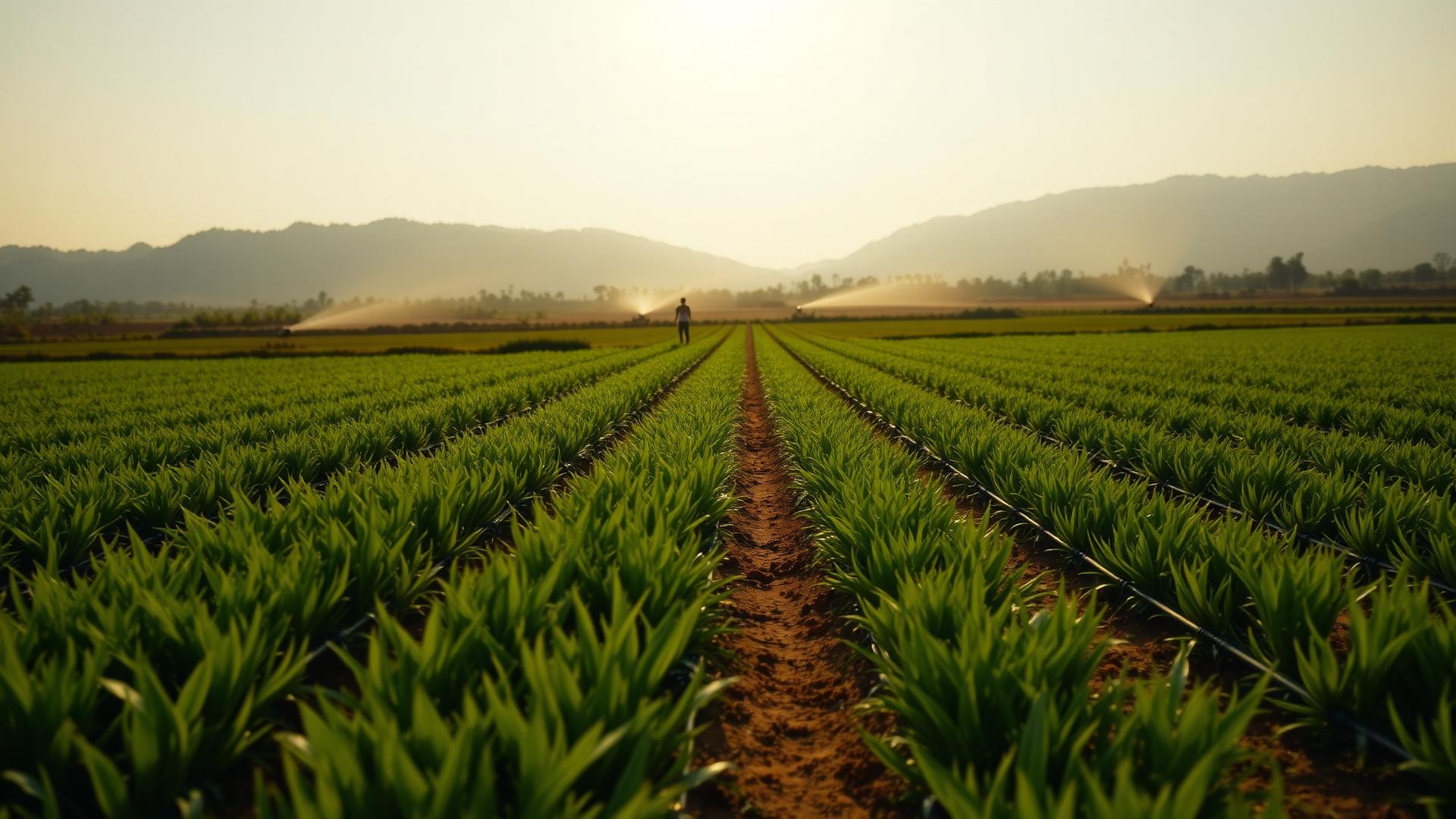
Why drip irrigation works
Conventional flood irrigation loses 40–60% of water to evaporation, runoff and deep percolation. Drip irrigation delivers water directly to the root zone of each plant through a network of pressurised laterals and emitters — so almost every drop is absorbed by the crop.
Up to 60% water saved
Targeted root-zone wetting eliminates runoff.
20–90% higher yield
Consistent moisture means healthier plants.
Fertigation ready
Inject fertiliser through venturi for uniform feeding.
Components of a complete drip system
Every drip installation — whether 1 acre or 100 — is built from these building blocks. Poonam Industries manufactures all of them in-house, so you get a guaranteed-fit system from a single source.
Head Unit
Foot valve at the bore-well, NRV, pressure gauge, filtration (screen / disc / hydrocyclone) and a venturi injector for fertigation.
Main & Sub-main Pipe
HDPE pipes (typically 63–110 mm) with HDPE flanges, end caps and fabricated tees / elbows.
Control Valves
PP ball valves, butterfly valves and air-release valves to balance pressure across zones.
Lateral Pipe & Take-offs
12 / 16 / 20 mm UV-stabilised lateral with grommets and lateral cocks for each row.
Emitters & Drippers
Inline / online drippers, button drippers or micro-sprinklers — selected by crop and soil.
Fertigation
Venturi injectors (ISI 14743) dose water-soluble fertilisers precisely.
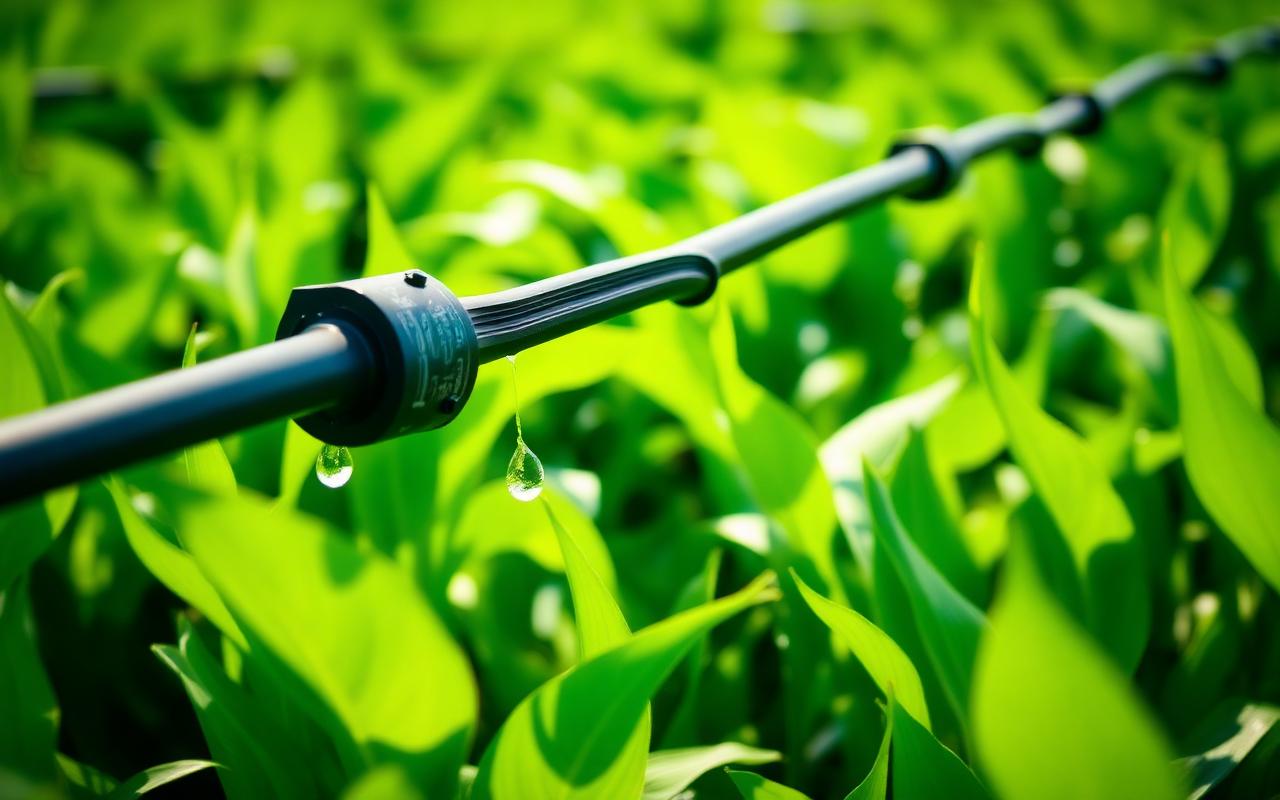
Crops that benefit most
- Cotton, Sugarcane, Banana
- Tomato, Chilli, Brinjal, Onion, Potato
- Pomegranate, Grapes, Mango, Citrus orchards
- Greenhouse vegetables and flowers
- Spices — Turmeric, Ginger, Cumin
PMKSY (Pradhan Mantri Krishi Sinchayee Yojana) subsidy is available on drip irrigation across most Indian states — our team can guide you through documentation.
Get a free drip irrigation design
Send us your acreage, crop and water source. Our agronomy team will recommend pipe size, emitter spacing and a complete bill of materials — at no cost.